The House of Osman Family Tree, Explained
A visual guide to the Ottoman dynasty — twenty-six generations in one unbroken male line, from Osman I around 1299 to the family living in Istanbul today.
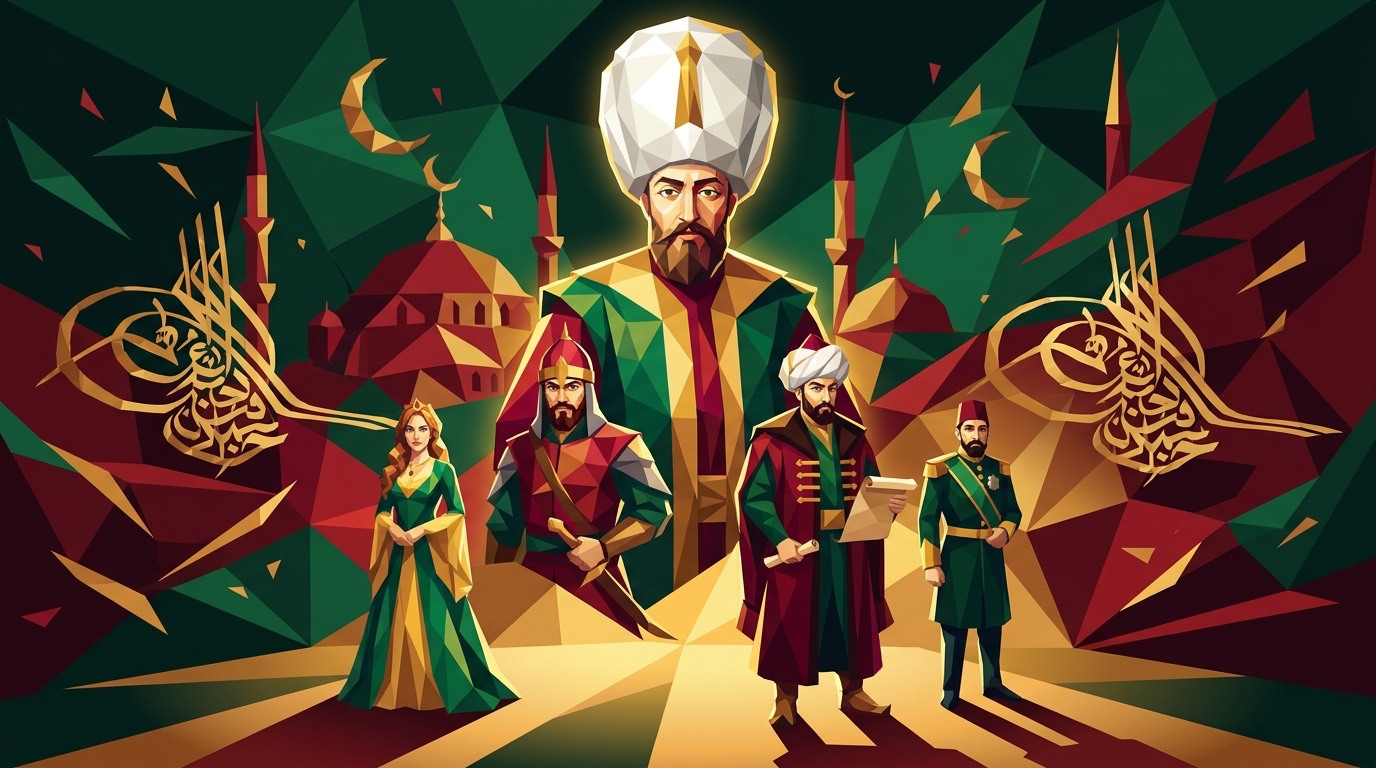
The House of Osman ruled for six hundred and twenty-three years — longer than any other dynasty in the modern world — and the line below is a single unbroken chain of fathers and sons, twenty-six generations deep, from a frontier lord in north-west Anatolia to a woman born in Istanbul in 1987. What follows is not every Ottoman sultan. It is the direct ancestral line, plus the handful of consorts, princes and modern descendants that the story does not work without.
The dynasty at a glance
- People
- 39
- Generations
- 26
- Years spanned
- 767 (1254–2021)
- Earliest born
- Osman I (1254)
- Latest born
- Nilhan Osmanoğlu (1987)
How to read the graph
Everyone below is a card on the board, and every line between two cards is a relationship you can click into. Red marks the twenty-five people here who actually reigned; pink marks the consorts. The colour bands are eras rather than single generations — six centuries do not fit into five neat rows. Notice the shape before you read anything else: the tree runs as one narrow thread for nineteen generations, then abruptly fans out near the bottom. That is the real history, not a shortcut in the drawing.
Era 1 — a frontier lord and his sons (1299–1451)
Osman I gave the dynasty and the empire their name, and almost everything else about him is uncertain. No written source survives from his own reign; his birth year, his descent from Ertuğrul, the famous dream, and even the founding date of 1299 all come from accounts set down more than a century later. Treat him as the point where the record begins rather than a documented biography.
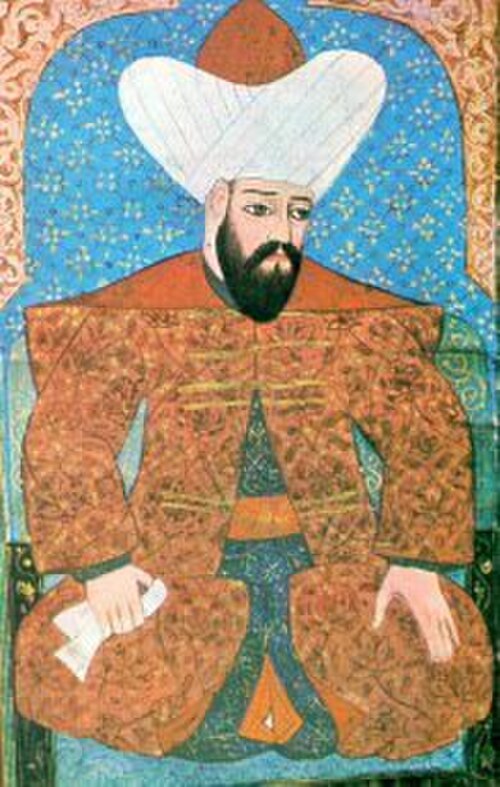
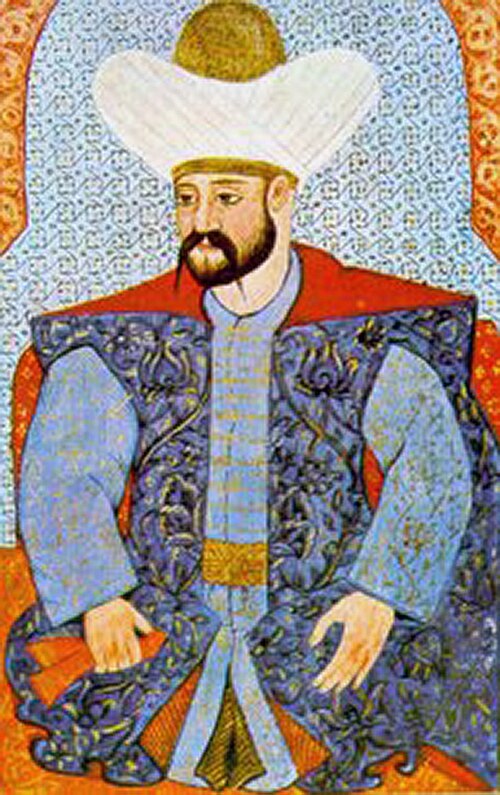
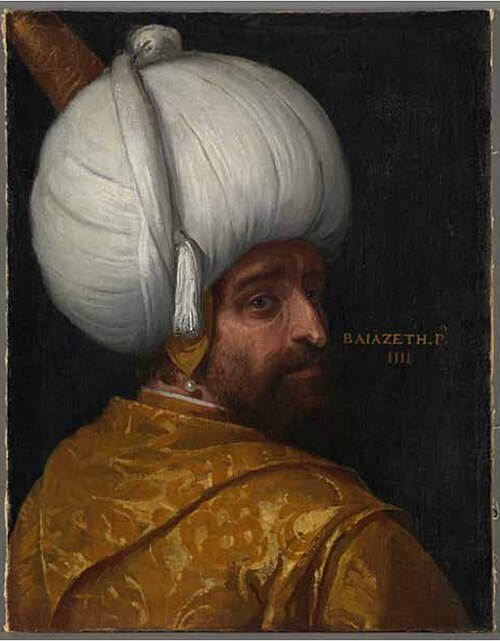
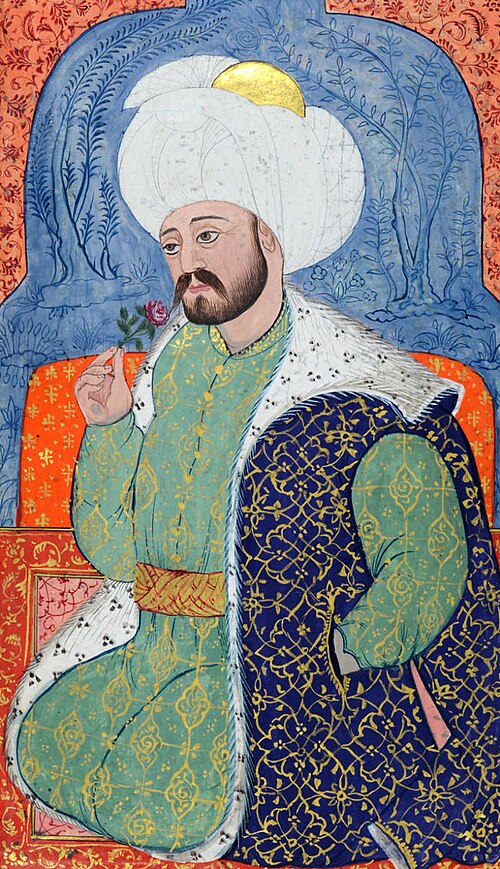
His successors are on firmer ground. Orhan took Bursa in 1326 and made it a capital. Murad I pushed into the Balkans and was killed at Kosovo in 1389 on a field his own army held. Bayezid I was captured by Timur at Ankara in 1402 and died a prisoner, and for eleven years his sons fought each other for what was left. Mehmed I won that war and put the state back together.
Where the record begins
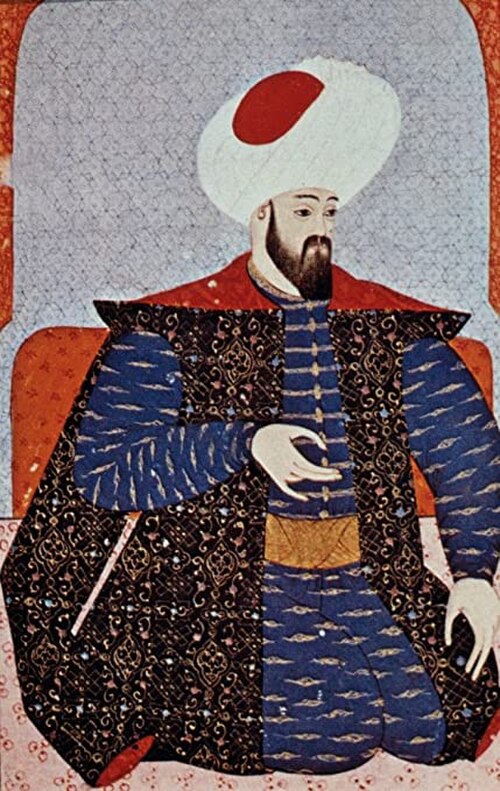
Osman I
Founder of the Ottoman dynasty
1254–1324 · Söğüt, Anatolia
Turkoman bey whose principality in north-west Anatolia grew into the Ottoman Empire; the sources on his life are late and partly legendary.
Era 2 — the imperial peak (1451–1566)
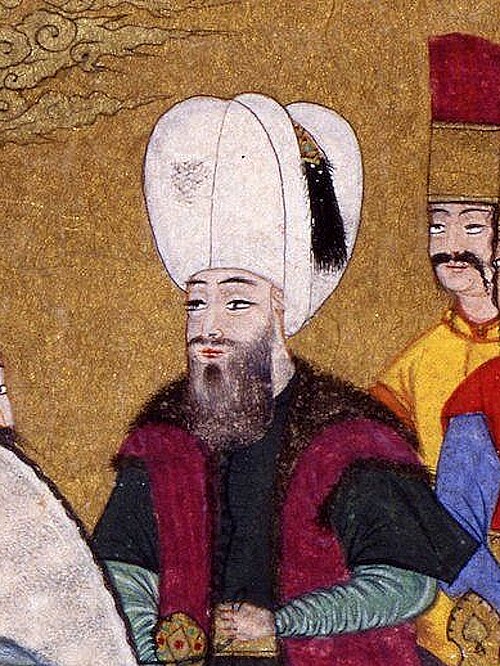
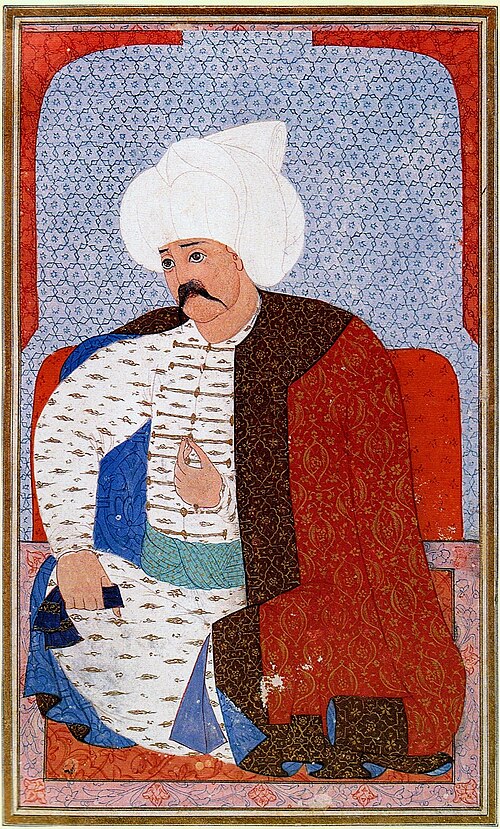
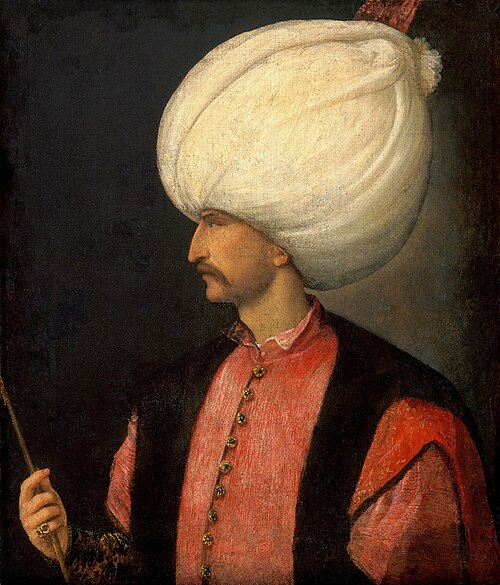
Four reigns turned a large Anatolian state into a world empire. Mehmed II took Constantinople in 1453 at twenty-one. Selim I beat the Safavids at Chaldiran and the Mamluks in 1516–17, bringing Syria, Egypt and the holy cities of Mecca and Medina under Ottoman rule in two years. Suleiman, his only surviving son, then reigned for forty-six years — the longest in the dynasty — and is known in Turkish not as the Magnificent but as Kanuni, the Lawgiver.
The four who built the empire
Why the line stays so narrow for so long
Look at the graph again. From Osman I down to Mahmud II there is almost never more than one man per generation, and that is not a selection choice — it is what fratricide did. Mehmed II codified a law permitting a new sultan to execute his brothers to prevent civil war, and Mehmed III used it at full scale in 1595, having nineteen brothers killed on his accession. Bayezid I's eleven-year succession war was the disaster the law was written against. It worked, in the narrow sense that it kept the succession clean, and it is the reason this family tree looks like a rope rather than a bush.
Era 3 — the sultanate of women (1566–1651)
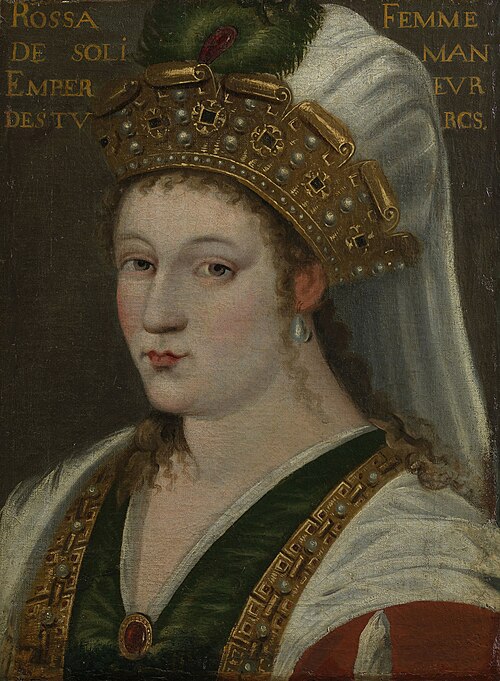
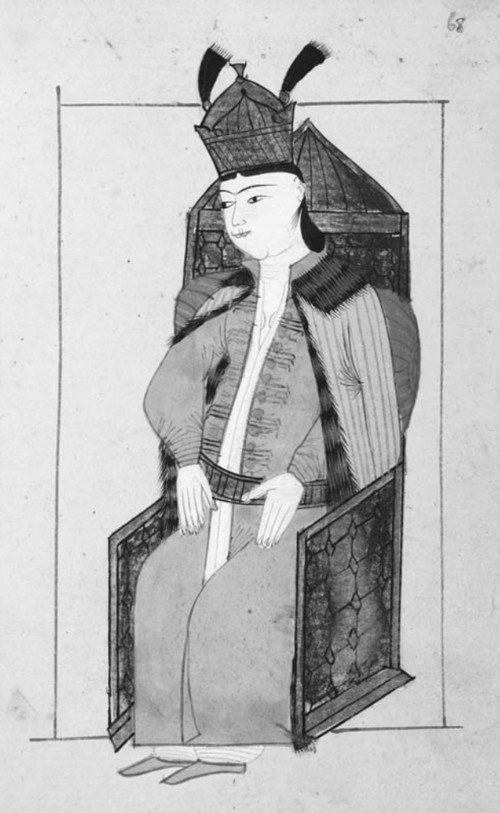
For roughly a century, real power at the Ottoman court sat with four women in a row. Hurrem Sultan — an enslaved concubine who became Suleiman's legal wife around 1533, breaking a custom that sultans did not marry at all — was the first. Nurbanu, Safiye and Kösem followed as chief consorts and then as valide sultan, mother of the reigning sultan. Safiye exchanged letters and gifts with Elizabeth I. Kösem was regent three times over, for two sons and a grandson, and was assassinated in the palace in 1651. Four of the five women on this board belong to that chain.
The four who ran the court
The son who was executed
Şehzade Mustafa was Suleiman's eldest surviving son and, by most contemporary accounts, the army's favourite. In October 1553 he was strangled in his father's own camp, on his father's order, on a charge of sedition. Hurrem's hand in it is asserted by European observers of the day and by later Ottoman writers, but it is not directly documented — it belongs in the contested column, not the factual one. His mother Mahidevran, who was never married to Suleiman, outlived him by twenty-eight years and was buried beside him.
The heir who never reigned
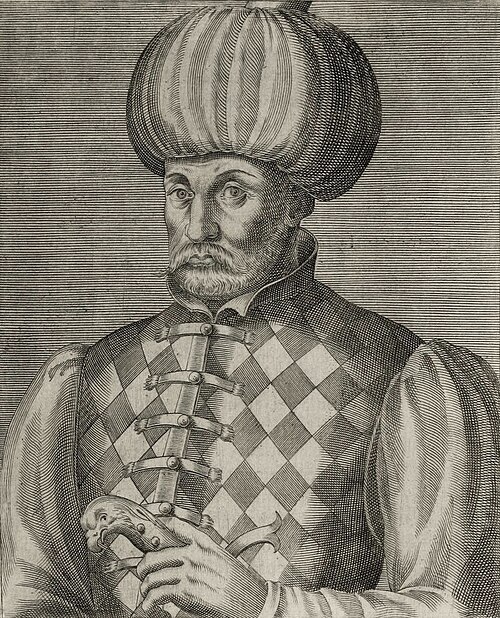
Şehzade Mustafa
Ottoman prince, governor of Amasya
1516–1553 · Manisa
Suleiman's eldest surviving son; executed on his father's order in 1553 on charges of sedition, a much-debated episode.
Era 4 — retreat and reform (1651–1839)
Four men carry the line across 191 years here, and they are on the board because the chain of fathers and sons genuinely runs through them, not as a convenient bridge. The second failed siege of Vienna in 1683, under Mehmed IV, opened a long retreat in Europe. Ahmed III presided over the Tulip Era and was overthrown by a revolt in 1730. Then Mahmud II destroyed the Janissary corps in 1826 and rebuilt the army, the administration and even official dress along European lines.
Mahmud II is also where the shape of the tree changes. Two of his sons and four of his grandsons reigned. After 1617 the throne had begun passing by seniority among living males rather than father to son, so brothers and cousins took turns — and the rope finally becomes a fan.
The pivot
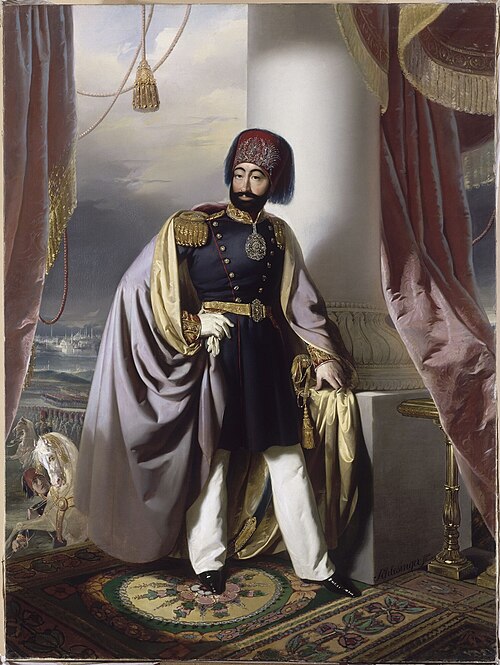
Mahmud II
30th Ottoman sultan, the reformer
1785–1839 · Topkapı Palace, Constantinople
Abolished the Janissary corps in 1826 and rebuilt the army, administration and official dress along European lines.
Era 5 — the last sultans (1839–1924)
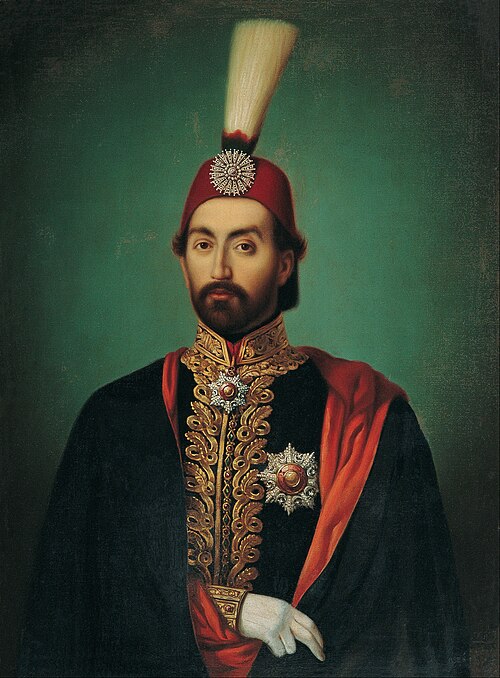
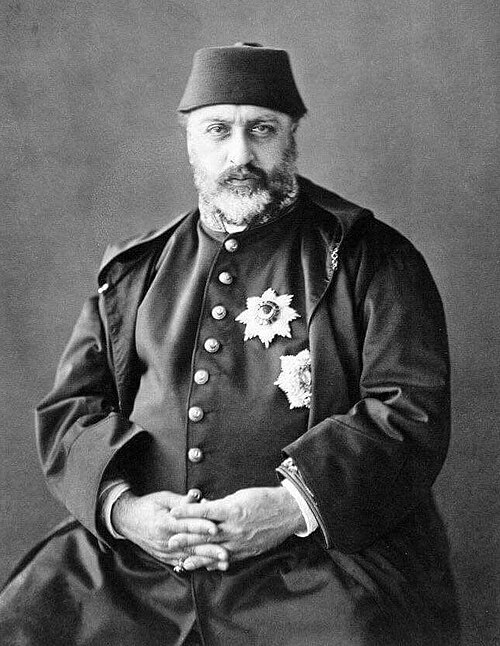
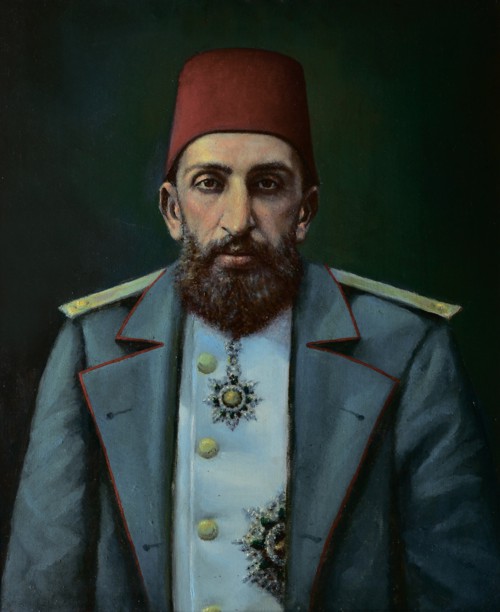
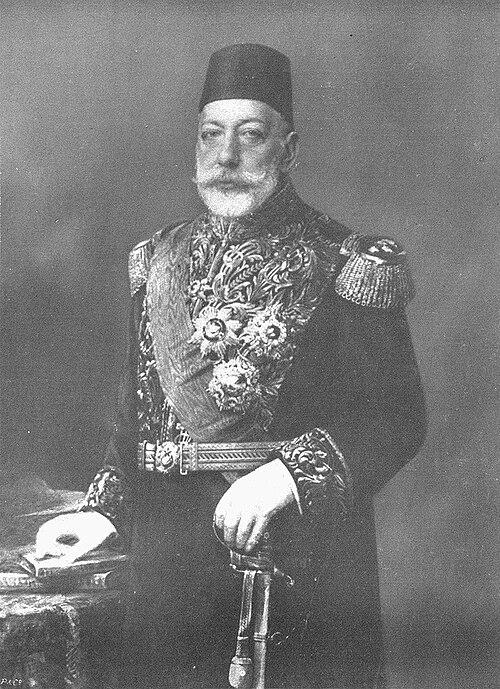
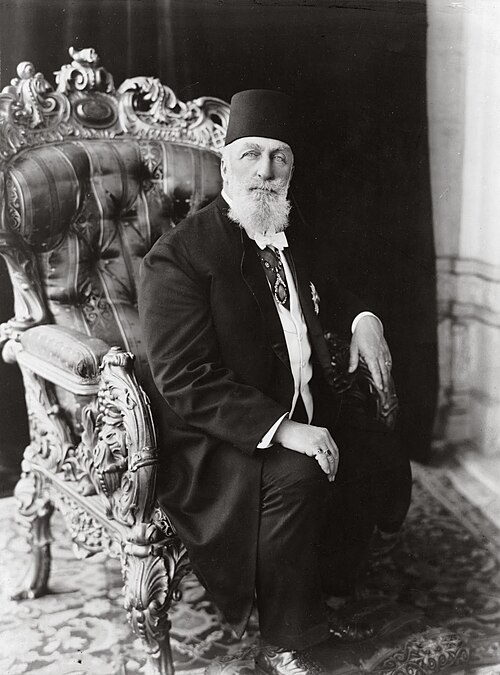
Abdulmejid I proclaimed the Tanzimat reforms in 1839. His brother Abdulaziz was the first sultan to travel to western Europe, was deposed in 1876 and found dead days later. Abdul Hamid II suspended the constitution in 1878 and ruled personally for three decades until the Young Turk Revolution forced him to restore it. Mehmed V presided, largely ceremonially, over the empire's entry into the First World War. Mehmed VI left Istanbul on a British warship in November 1922 after the Grand National Assembly abolished the sultanate. His cousin Abdulmejid II — a trained painter — was elected caliph with no state to rule, and lasted until the caliphate was abolished in March 1924.
First and last in the city
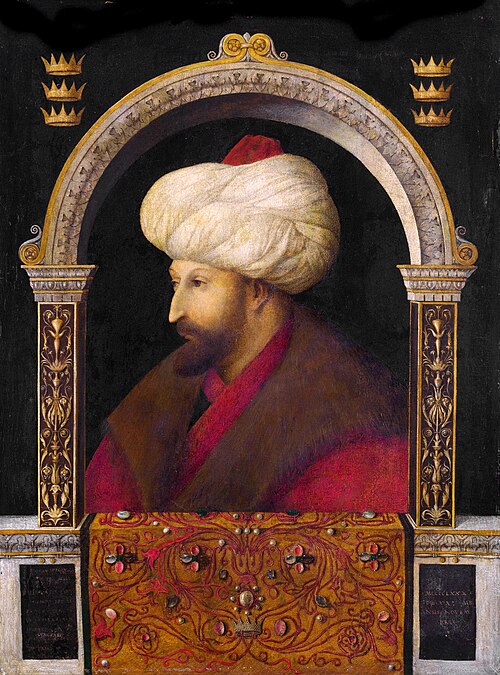
Mehmed II
7th Ottoman sultan, the Conqueror
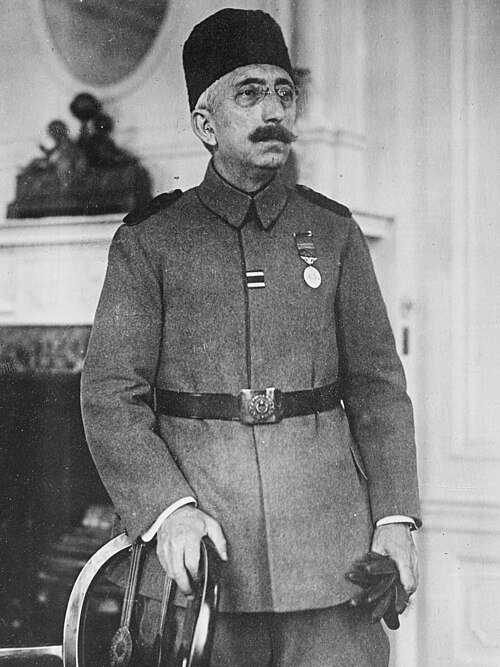
Mehmed VI
36th and last Ottoman sultan
The last six
Era 6 — the family after the empire
In 1924 every member of the dynasty was expelled from Turkey. They scattered to Beirut, Damascus, Cairo, Nice and New York. Women of the family were allowed to return in 1951 and men in 1973. The line on this board runs from Abdul Hamid II through his eldest son Şehzade Mehmed Selim, who died in Beirut, and Selim's only son Mehmed Abdülkerim, who died in New York at twenty-nine, to two brothers born in exile: Dündar Ali Osman, head of the house until his death in 2021, and Harun Osman, who is the 46th head of the House of Osman today. Headship passes by seniority across the whole male line rather than by primogeniture — which is why forty-six heads have come from several different branches.
The empire in dates
Births and deaths across the dynasty
- 1254Osman I born
- 1281
 Orhan born
 - 1324Osman I died
- 1326
 Murad I born
 - 1360
 Bayezid I born
 - 1362Orhan died
- 1386
 Mehmed I born
 - 1389Murad I died
- 1403Bayezid I died
- 1404
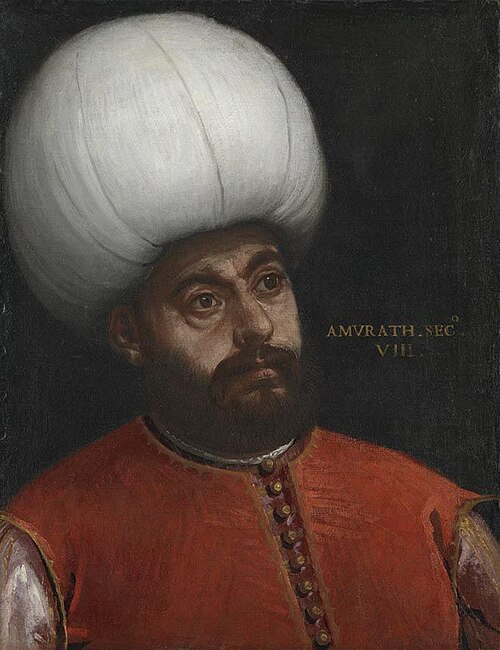 Murad II born
 - 1421Mehmed I died
- 1432Mehmed II born
- 1447Bayezid II born
- 1451Murad II died
- 1470Selim I born
- 1481Mehmed II died
- 1494Suleiman the Magnificent born
- 1499MMahidevran born
- 1505Hurrem Sultan born
- 1512Bayezid II died
- 1516Şehzade Mustafa born
- 1520Selim I died
- 1522
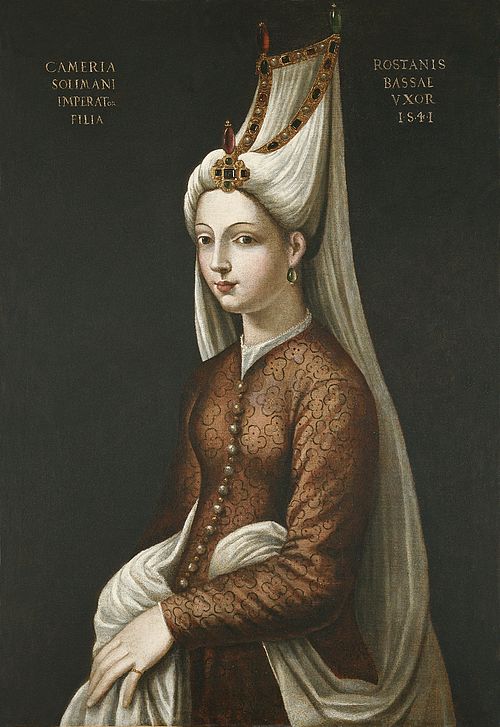 Mihrimah Sultan born
 - 1524
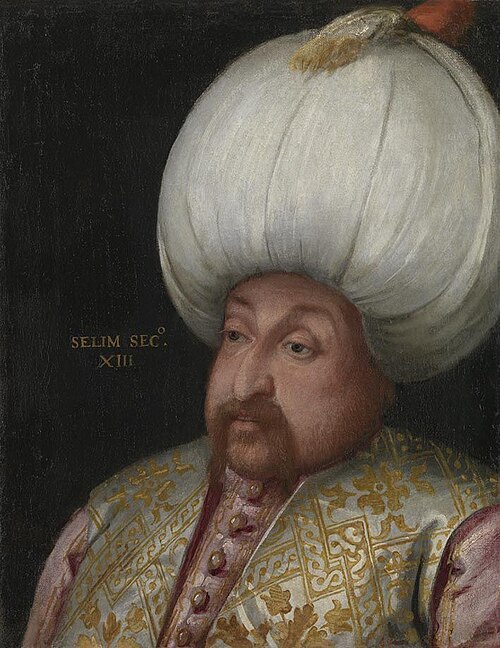 Selim II born
 - 1525NSNurbanu Sultan born
- 1525
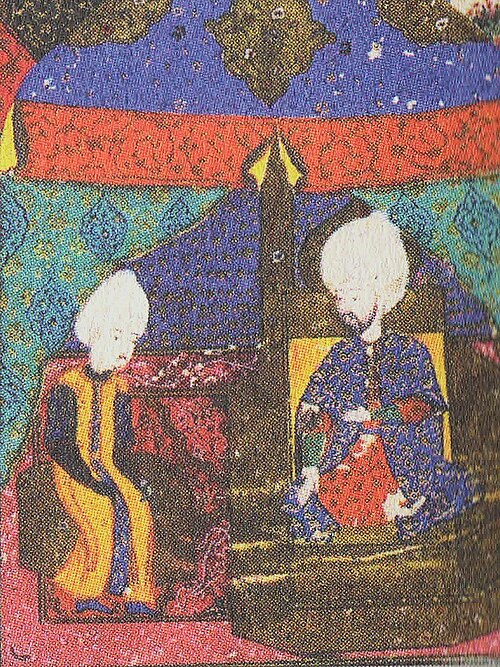 Şehzade Bayezid born
 - 1546
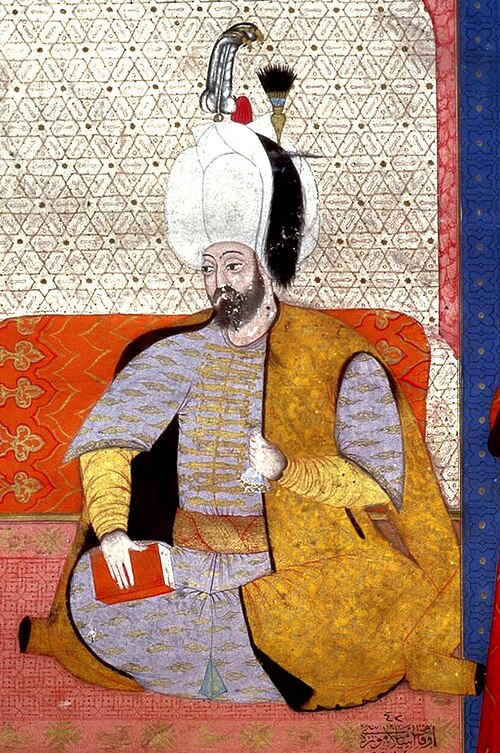 Murad III born
 - 1550SSSafiye Sultan born
- 1553Şehzade Mustafa died
- 1558Hurrem Sultan died
- 1561Şehzade Bayezid died
- 1566Suleiman the Magnificent died
- 1566
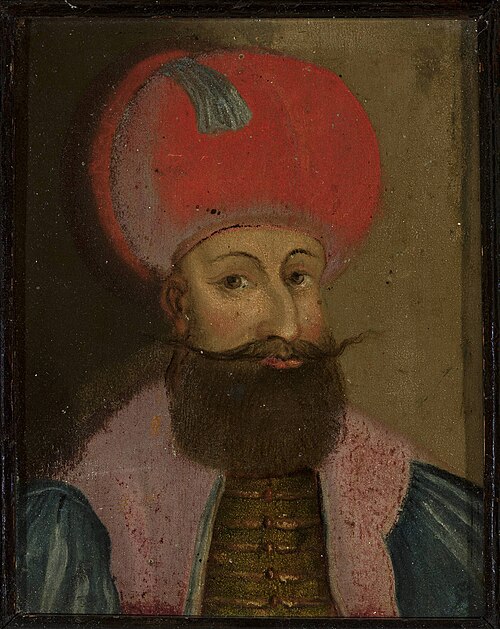 Mehmed III born
 - 1574Selim II died
- 1578Mihrimah Sultan died
- 1581MMahidevran died
- 1583NSNurbanu Sultan died
- 1589Kösem Sultan born
- 1590
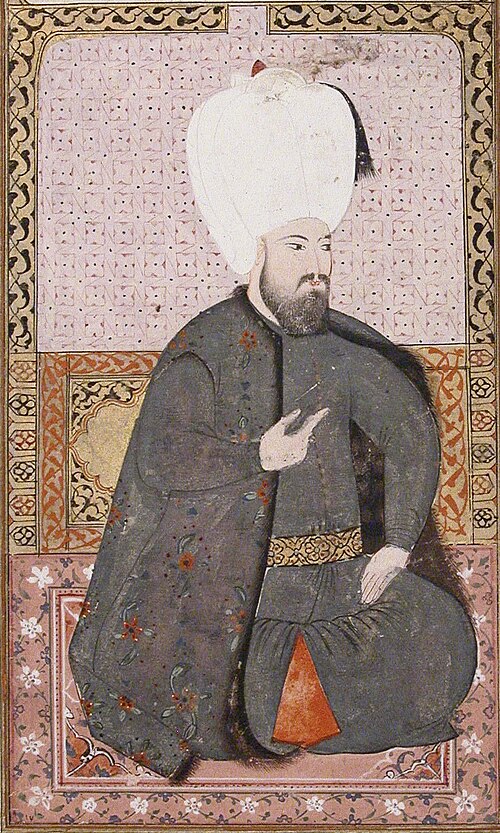 Ahmed I born
 - 1595Murad III died
- 1603Mehmed III died
- 1615
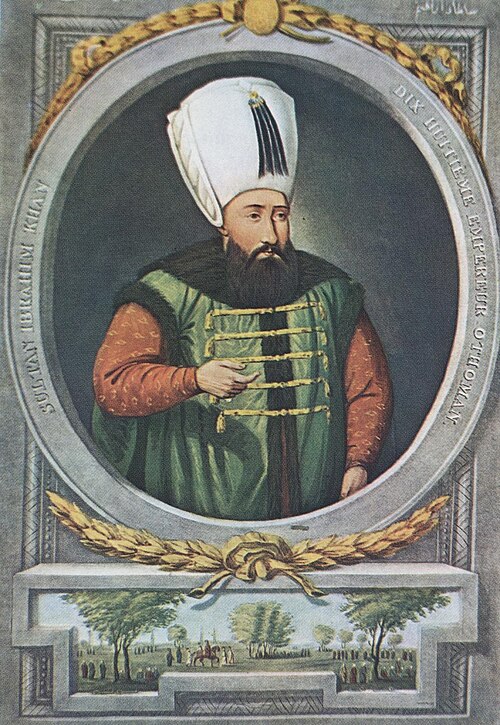 Ibrahim born
 - 1617Ahmed I died
- 1619SSSafiye Sultan died
- 1642
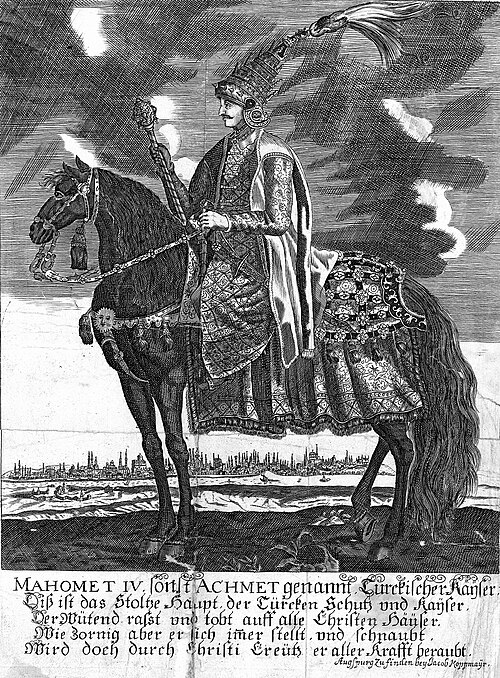 Mehmed IV born
 - 1648Ibrahim died
- 1651Kösem Sultan died
- 1673
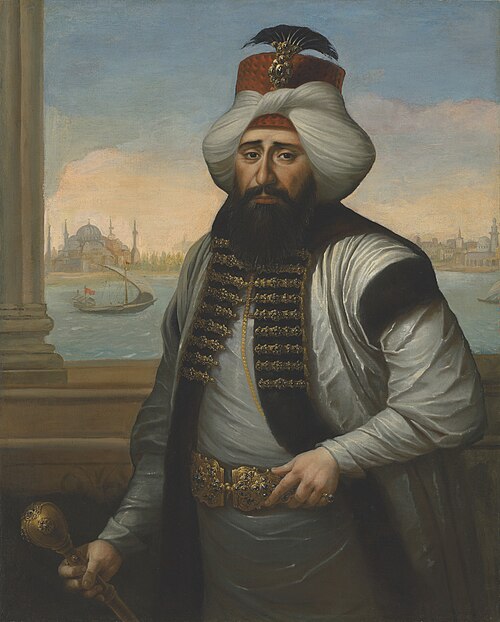 Ahmed III born
 - 1693Mehmed IV died
- 1725
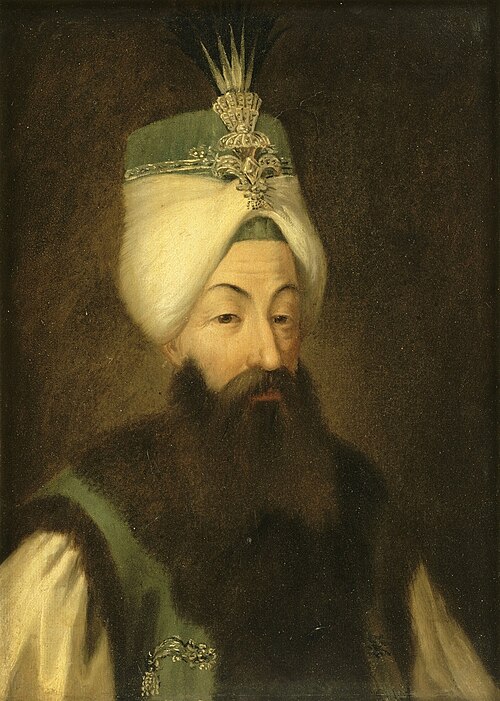 Abdul Hamid I born
 - 1736Ahmed III died
- 1785Mahmud II born
- 1789Abdul Hamid I died
- 1823Abdulmejid I born
- 1830Abdulaziz born
- 1839Mahmud II died
- 1842Abdul Hamid II born
- 1844Mehmed V born
- 1861Abdulmejid I died
- 1861Mehmed VI born
- 1868Abdulmejid II born
- 1870
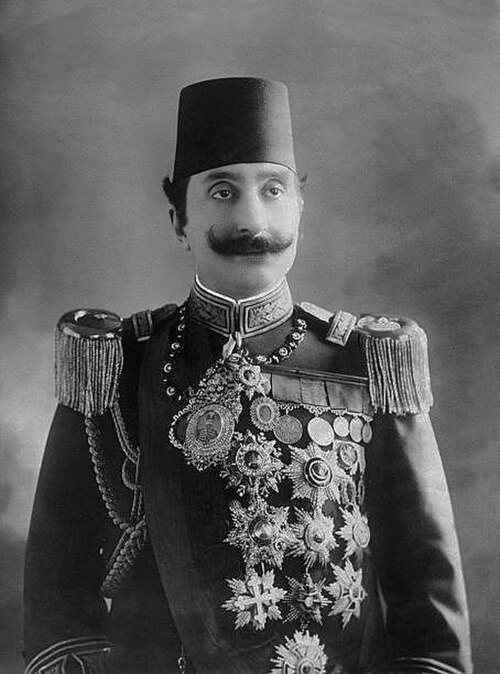 Şehzade Mehmed Selim born
 - 1876Abdulaziz died
- 1906ŞMŞehzade Mehmed Abdülkerim born
- 1918Abdul Hamid II died
- 1918Mehmed V died
- 1926Mehmed VI died
- 1930DADündar Ali Osman born
- 1932HOHarun Osman born
- 1935ŞMŞehzade Mehmed Abdülkerim died
- 1937Şehzade Mehmed Selim died
- 1944Abdulmejid II died
- 1963
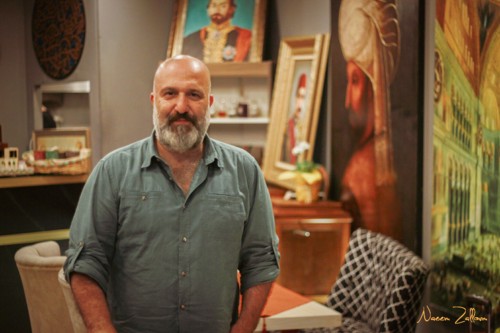 Orhan Osmanoğlu born
 - 1987NONilhan Osmanoğlu born
- 2021DADündar Ali Osman died
Era by era
- Osman I
- Orhan
- Murad I
- Bayezid I
- Mehmed I
- Murad II
- Mehmed II
- Bayezid II
- Selim I
- Suleiman the Magnificent
- Hurrem Sultan
- MMahidevran
- Selim II
- NSNurbanu Sultan
- Şehzade Mustafa
- Mihrimah Sultan
- Şehzade Bayezid
- Murad III
- SSSafiye Sultan
- Mehmed III
- Ahmed I
- Kösem Sultan
- Ibrahim
- Mehmed IV
- Ahmed III
- Abdul Hamid I
- Mahmud II
- Abdulmejid I
- Abdulaziz
- Abdul Hamid II
- Mehmed V
- Mehmed VI
- Abdulmejid II
- Şehzade Mehmed Selim
- ŞMŞehzade Mehmed Abdülkerim
- DADündar Ali Osman
- HOHarun Osman
- Orhan Osmanoğlu
- NONilhan Osmanoğlu
One line, twenty-six generations
This is the longest single chain of fathers and sons on SeeWider, and every link in it is a real, direct parent-to-child relationship — no grandparent shortcuts, no gaps papered over. It reaches from a bey whose birth year nobody can confirm to a businesswoman born in Istanbul in 1987.
Osman IOrhanMurad IBayezid IMehmed IMurad IIMehmed IIBayezid IISelim ISuleiman the MagnificentSelim IIMurad IIIMehmed IIIAhmed IIbrahimMehmed IVAhmed IIIAbdul Hamid IMahmud IIAbdulmejid IAbdul Hamid IIŞehzade Mehmed SelimOrhan OsmanoğluBy the numbers
For nineteen generations the family tree is a rope, not a bush. That is what fratricide looks like drawn on a page.
Common questions
- Who founded the Ottoman dynasty?
- Osman I, around 1299, in north-west Anatolia.
- How long did the House of Osman rule?
- Just over six centuries, from about 1299 to 1922.
- How many Ottoman sultans were there?
- Thirty-six, all descended from Osman I in the male line.
- Who was Suleiman the Magnificent?
- The tenth sultan, who ruled from 1520 to 1566, the dynasty's longest reign.
- Who was Hurrem Sultan?
- Suleiman's wife, born Roxelana, and the first consort to be formally married and to wield open political power.
- What was the harem's role in the succession?
- Sons were born to consorts rather than to a queen, so the dynasty descends through concubines as much as through marriages.
- Why did brothers kill each other?
- A law of fratricide let a new sultan execute his brothers to prevent civil war; it was replaced by confinement in the 17th century.
- Who was the last Ottoman sultan?
- Mehmed VI, deposed in 1922 when the sultanate was abolished.
- Are there living descendants of the Ottomans?
- Yes — the family lives in Turkey and abroad, and returned from exile after 1974.
- Is the Ottoman family related to the Turkish republic's founders?
- No. Atatürk's republic abolished the dynasty and exiled it.